Chiplet Bonding – Heterogeneous Integration
Heterogeneous integration involves combining different types of components, such as chips, photonic devices, or other elements, into a single package. This integration can be done side-by-side, stacked, or both, using various interconnect schemes. Integration methods include both fine and coarse pitch packages, with each type requiring distinct die bonding techniques.
This webinar discusses three types of bonding approaches used for heterogeneous integration, looking at the different advantages and disadvantages offered by each. The choice of which method to use depends on several factors such as die size, die thickness, total stack height, and interface considerations such as contact design and bump density.
- Wafer-to-Wafer (W2W) Hybrid Bonding: Stacking and electrically connecting wafers which has been a proven track record of success for CMOS image sensors and various memory and logic technologies.
- Die-to-Wafer (D2W) Hybrid Bonding: Supports different die sizes and combining KGD dies from different technology nodes which are generally not possible for W2W.
- Thermo Compression Bonding: Typically used to create strong, reliable bonds between different types of materials or devices. This is particularly important in applications where different functionalities are integrated into a single device.
About the Speaker
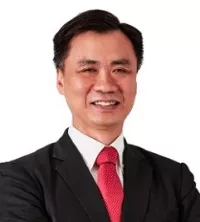 Chan Pin Chong
Executive Vice President of Products and Solutions
Kulicke & Soffa
Chan Pin is the Executive Vice President & General Manager, K&S Products and Solutions and is responsible for the capital equipment business across K&S. He joined K&S in 2014 as Vice President of Wedge Bonders business unit and successfully turned around the business and led the team to higher growth by diversifying into the EV and display markets.
Chan Pin is a technology industry veteran with more than 31 years of engineering and operations experience in the semiconductor and electronics industry. He started his career first as a Process and Test Engineer at Motorola Pagers and Cellular group and pioneered multiple factories in Asia before advancing to the role of Manufacturing Manager at Flextronics, Technical Director and General Manager at KLA-Tencor and CEO of Everett Charles Technologies, managing and leading in test and probe technologies. Chan Pin has served on the INEMI Board of Directors since 2019 and has been Chairman since 2024.
He received his double bachelor's degree in Electrical Engineering and Computer Science from the State University of New York at Buffalo and a master's degree in Business Administration from the University of Leicester, United Kingdom.
Related Chiplet
- Optical Chiplet
- Reverse Gearbox Chiplet
- FlexGen Multi-Die Smart Network-on-Chip (NoC) IP
- Ncore Multi-Die Interconnect IP
- Integrated voltage regulator (IVR) chiplet
Related Videos
- Blue Cheetah BlueLynx for Heterogeneous Integration: 16 Gbps Chiplet Interconnect IP for UCIe & BoW
- UCIe Based Chiplet Ecosystem Interoperable Testbench for Multi Vendor IP Integration
- 2.5 D Heterogeneous Chiplet Packaging Challenge
- A Physics-Informed Neural Network Surrogate for Runtime PDN and Dynamic Droop Prediction in 2.5-D Chiplet Integration
Latest Videos
- Advancing Chiplet Flexibility Updates in 2.0 OCE Transaction and Link Layer Specification
- GTC '26 - Berlin | Long-running, multi-tool Fuse Agents for 3D IC workflows
- Securing the Open Chiplet Ecosystem Defining a Common Security Architecture for FCSA
- Security of Multi chip ICs & Security Chiplets with Caliptra Building a Hardware Root of Trust
- System level standards for Multi vendor chiplet interoperability