Geometry Challenges in Multidie Thermal Management
By Emily Newton, EETimes | December 4, 2025
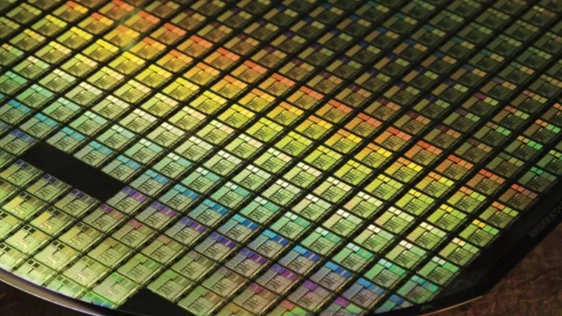
Three-dimensional, stacked semiconductor architectures create unique geometric challenges for multidie assembly, especially in managing heat. Designers must anticipate how geometry affects thermal distribution and proactively address these obstacles for successful designs.
Heat buildup causes localized hot spots
Some designers wrongly assume a die’s power use is uniform. In reality, it varies greatly, creating areas of intense, localized heat.
Relatedly, the design constraints of a three-dimensional stack largely prevent heat from traveling sideways. Instead, it usually rises, potentially transferring the heat to the dies above it. The geometrical designs of multidie assemblies also result in these products having larger horizontal dimensions than vertical ones, which can further complicate the heat buildup.
To read the full article, click here
Related Chiplet
- Optical Chiplet
- Reverse Gearbox Chiplet
- FlexGen Multi-Die Smart Network-on-Chip (NoC) IP
- Ncore Multi-Die Interconnect IP
- Integrated voltage regulator (IVR) chiplet
Related News
- Benefits And Challenges In Multi-Die Assemblies
- Multi-Die Design Complicates Data Management
- Challenges In Managing Chiplet Resources
- Lam Research Introduces VECTOR® TEOS 3D to Address Critical Advanced Packaging Challenges in Chipmaking
Latest News
- Amkor Technology and NVIDIA Advance Strategic Partnership for AI Infrastructure
- Siemens expands agentic AI collaboration to tackle 3D IC power and thermal challenges with NVIDIA
- Photon Bridge Raises €10M to Tackle AI’s Emerging Laser Bottleneck
- Abacus Semiconductor and Aalto University Announce Research Cooperation on High-Speed Chiplet Interconnects
- UK Launches Semiconductor Catapult to Strengthen Sovereign Capabilities in AI Hardware and Defence