Chiplets diary: Three anecdotes recount design progress
By Majeed Ahmad, EDN (February 2, 2024)
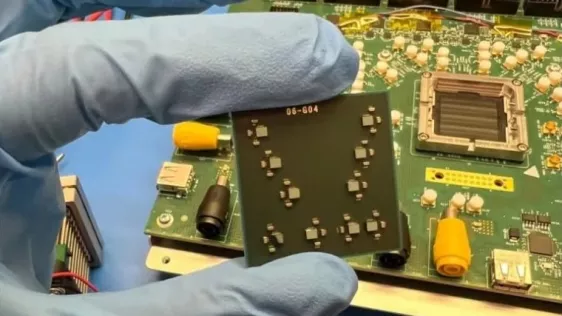
By The chiplet design movement representing multi-billion-dollar market potential is marching ahead with key building blocks falling in place while being taped out at advanced process nodes like TSMC’s 3 nm. These multi-die packaging devices can now mix and match pre-built or customized compute, memory, and I/O ingredients in different process nodes, paving the way for system-in-packages (SiPs) to become the system motherboard of the future.
Chiplets also promise considerable cost reduction and improved yields compared to traditional system-on-chip (SoC) designs. Transparency Market Research forecasts the chiplet market to reach more than $47 billion by 2031, becoming one of the fastest-growing segments of the semiconductor industry at more than 40% CAGR from 2021 to 2031.
Below are a few anecdotes demonstrating how chiplet-enabled silicon platforms are making strides in areas such as packaging, memory bandwidth, and application-optimized IP subsystems.
To read the full article, click here
Related Chiplet
- Optical Chiplet
- Reverse Gearbox Chiplet
- FlexGen Multi-Die Smart Network-on-Chip (NoC) IP
- Ncore Multi-Die Interconnect IP
- Integrated voltage regulator (IVR) chiplet
Related News
- Why chiplets will transform electronic system design
- Chiplets drive new automated design tools at Leti
- Chiplets Make Progress Using Interconnects As Glue
- Chiplets: Revolutionizing Semiconductor Design and Manufacturing
Latest News
- Tenstorrent Releases Open Source Beta of the Open Chiplet Atlas® (OCA) Harness
- Building Out Advanced Packaging Portfolio, JCET Delivers Steady Revenue Growth and Improved Profitability in Q3 YTD 2026
- Egis Group and SiPearl Sign Strategic Cooperation and Investment Agreements to Expand Opportunities on a Global Scale
- Unigen Expands AI Module and Server Compute Collaboration to EdgeCortix RAIDEN Platform
- Amkor Technology and NVIDIA Advance Strategic Partnership for AI Infrastructure